How to Design a Flower Delivery That Wows: A Guide for Readers
Recent Trends in Flower Delivery Design
The flower delivery industry has shifted from simple posy offerings toward curated, experience-driven designs. Today’s readers increasingly look for arrangements that reflect personality, seasonality, and sustainability. Key trends include:
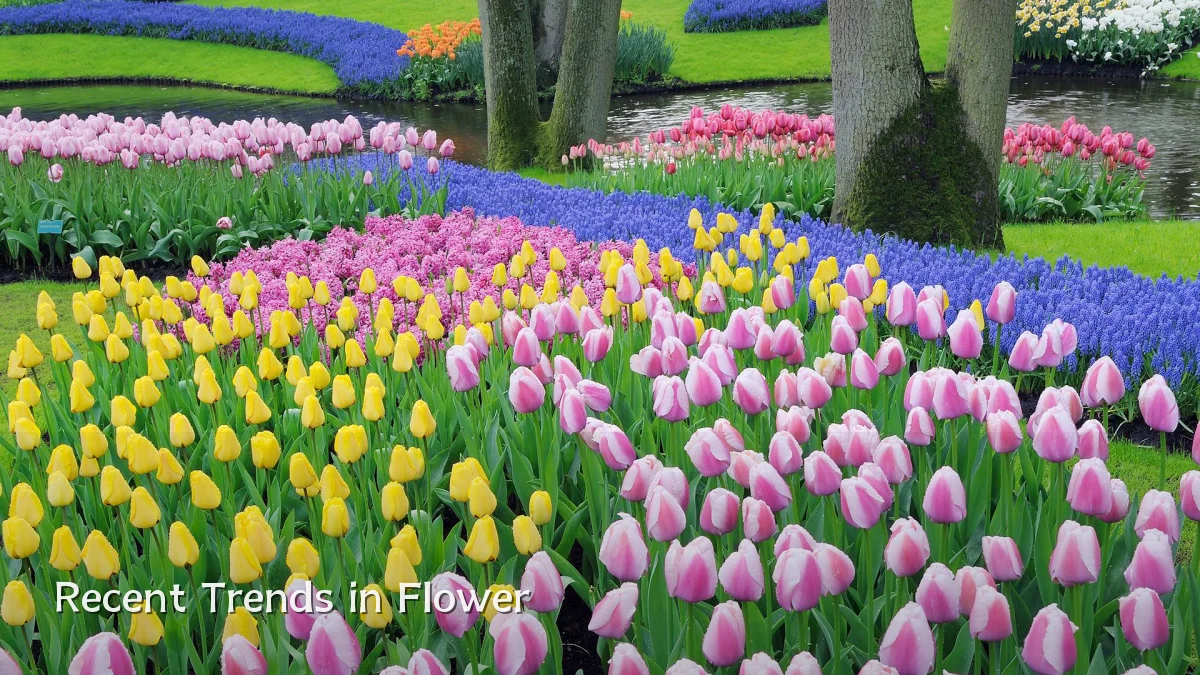
- Personalized color palettes and bloom combinations based on recipient preferences or occasions
- Eco-friendly packaging (biodegradable wraps, reusable vessels) as a design element itself
- Unexpected textures: mixing dried flowers, foliage, or architectural branches with fresh stems
- Direct-from-farm sourcing to emphasize freshness and reduce transit time
- The rise of “mood-based” bouquets—romantic, cheerful, minimalist—rather than generic mixed bunches
Background: From Bouquet to Experience
Traditional flower delivery often prioritized speed over presentation. Over the past several years, the market has matured as consumers began treating blooms as a design statement. Florists and online services now compete on visual storytelling—how a bouquet looks in natural light, how it unfolds over days, and how it complements a recipient’s home or workspace. The shift reflects a broader cultural move toward intentional gifting, where the how matters as much as the what.
Design thinking now influences every stage: bloom selection, arrangement shape, wrapping, and even the unboxing moment. Readers benefit from this evolution because even a modest budget can yield a striking delivery when design principles are applied.
User Concerns When Choosing a Delivery Design
Readers evaluating flower delivery options typically weigh several practical and aesthetic factors. Below are the most common considerations:
- Freshness longevity: How many days will the arrangement remain vibrant? Designers now select stems with staggered bloom cycles to extend display life.
- Recipient taste: Matching a minimalist setting with a lush garden-style arrangement can overwhelm; matching bold colors with neutral decor requires balance.
- Delivery timing and condition: A design that relies on delicate petals may not travel well in extreme weather. Hardier elements (e.g., roses, chrysanthemums, filler greens) help maintain shape.
- Unboxing experience: Wrapping, protective layers, and ease of arranging upon arrival all factor into the recipient’s first impression.
- Budget ratio: Readers often prefer arrangements where the design—not just the most expensive blooms—justifies the cost.
Likely Impact on the Flower Delivery Industry
As design continues to take center stage, the industry is likely to see several changes that directly benefit readers:
- Increased demand for local, seasonal flowers to support unique arrangements rather than mass-produced imports
- Growth of subscription models offering rotating designs that match time of year or color trends
- Greater transparency in sourcing and arranging methods, helping readers make informed choices
- Expansion of customizable templates: readers may choose a “vase shape” or “color story” and let the florist execute
- Rise of small-batch, artist-driven services over large-scale fulfillment for higher design quality
For the end reader, this means more variety and better value when selecting a delivery that truly wows.
What to Watch Next
Several developments could reshape how readers approach flower delivery design in the near future:
- Augmented reality previews: Tools that let recipients see how an arrangement would look in their space before ordering, reducing guesswork
- Biodegradable blooming mechanics: Innovations in “seed paper” wraps or compostable foam that turn the delivery itself into a lasting gift
- Hyper-local design studios: More florists offering same-day signature designs tied to local flora and cultural motifs
- Education as part of delivery: QR codes or cards that explain the design choices—why certain stems are paired—adding a layer of appreciation
- Collaboration with interior designers: Curated collections that coordinate with popular home styles (e.g., Scandinavian, Japandi, maximalist)
Readers who stay aware of these trends can make smarter choices and enjoy deliveries that feel thoughtful, not generic.