How to Choose the Perfect Flower Delivery Design for Every Occasion

Recent Trends
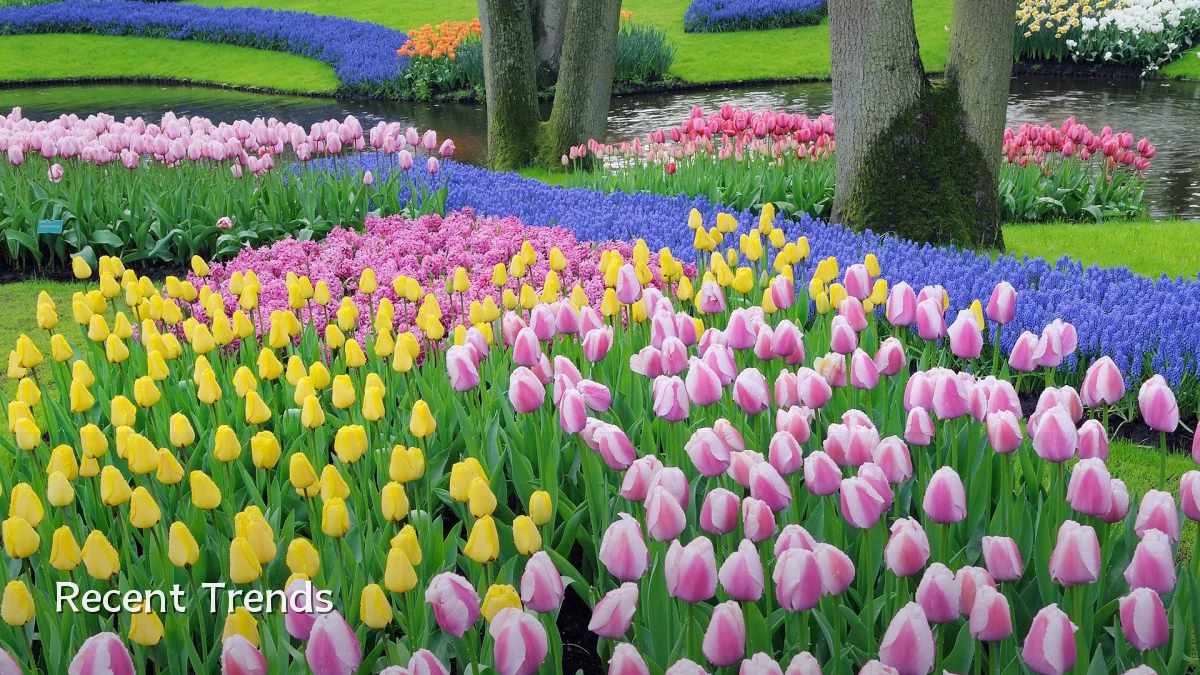
In the past few seasons, flower delivery design has shifted toward personalization and sustainability. Consumers increasingly ask for arrangements that reflect the recipient’s personality or the event’s mood rather than generic bouquets. Eco-friendly packaging and locally sourced blooms have become common requests, with many florists offering seasonal, biodegradable options. Subscription services and same-day delivery with customizable design elements—such as vase type, color palette, and accent foliage—are also gaining traction.
Background
Traditional flower delivery design relied on standardised arrangements: red roses for romance, mixed pastels for sympathy, and bright mixed bouquets for birthdays. Over time, florists began cataloging designs by occasion, but the rise of online ordering and social media has pushed for more visual variety and flexibility. The industry now uses design principles such as color theory, texture contrast, and vessel style to create arrangements that convey specific emotions or fit distinct spaces. Understanding these basics helps buyers navigate an increasingly crowded market.
User Concerns
- Matching the occasion – Buyers worry whether a design suits the event (e.g., a formal funeral vs. a casual housewarming).
- Longevity and care – Recipients want blooms that last; design choices like using hardy foliage or flower food affect vase life.
- Cost vs. perceived value – A smaller, carefully curated design can feel more thoughtful than a large, clashing bundle.
- Delivery logistics – Timing, temperature control, and packaging impact whether the design arrives intact and fresh.
- Allergies and preferences – Scented flowers, pollen-rich types, or certain species may cause issues; designers often offer alternatives.
Likely Impact
As more consumers educate themselves on design elements, expect florists to offer clearer occasion-based categories with visual examples and customization sliders. The shift toward seasonal, local sourcing will likely reduce the range of year-round imported flowers but increase the uniqueness of each delivery. Design standards may become more transparent—listing the number of stems, bloom sizes, and filler ratios—so buyers can compare value across services. This could also lead to pricing tiers based on design complexity rather than just flower cost.
What to Watch Next
- Integration of AI design tools that let users preview arrangements before ordering, adjusting colors and flower types in real time.
- Growth of “design-as-service” where florists offer a consultation call for important occasions like weddings or executive gifts.
- Rise of zero-waste arrangements that incorporate dried elements or reusable containers, appealing to environmentally conscious buyers.
- Possible emergence of regional style guides, with florists publishing “lookbooks” for local popular occasions (e.g., graduation, anniversary, get-well).